CBG from Napier Grass with Plug Flow Technology – Bareilly, India
CBG from Napier Grass – Plug Flow Plant | Arciplug®
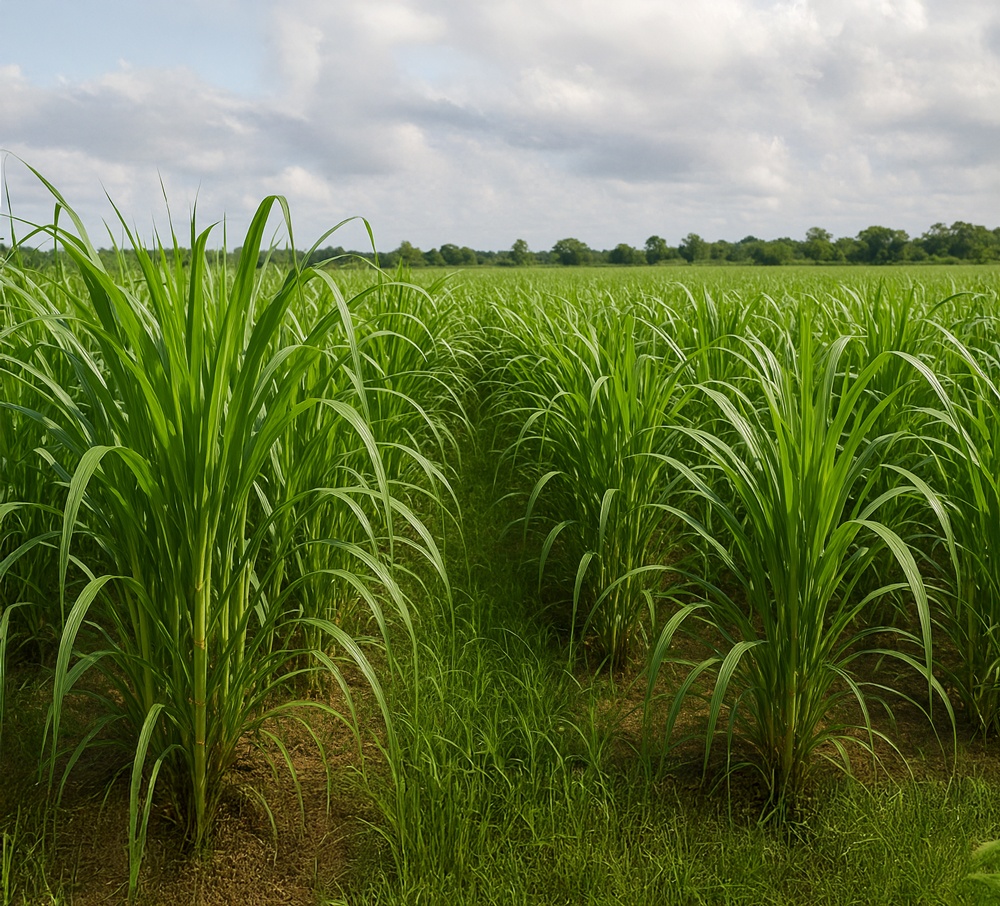
This compressed biogas (CBG) plant under construction in Bareilly is an Arciplug® installation designed for Napier grass as its main feedstock. It also offers flexibility to process press mud, ensuring adaptability for changing biomass markets. The project is being executed on site by Uzzala as the EPC partner.
The facility applies Arciplug®’s PLUG FLOW High Load Reactor system to handle high-solids fibrous biomass efficiently, without water dilution. By integrating local feedstock and local consumption, the construction site strengthens regional energy independence and provides a sustainable outlet for agricultural residues.
The installation features a 50.2-meter PLUG FLOW reactor system, designed to achieve 5 tonnes of CBG per day once operational. Construction began in Q2 2025, with foundations completed and wall formwork now underway.

The Bareilly facility not only produces clean energy – it also enables nutrient recycling through digestate utilization. The solid digestate can be used as FOM (Fermented Organic Manure) with a pathway to PROM (Phosphate Rich Organic Manure), opening additional value streams for local farmers and fertilizer markets.
Arciplug® provides the technology license, automation systems, reactor design, and project management support, while Uzzala ensures on-site execution. This collaboration combines proven PLUG FLOW experience with strong local delivery capacity. Together, they are building a scalable model for future CBG projects in the region.
Feedstock Preparation – Why Napier Grass Works Best with Plug Flow Technology
Napier grass is a highly promising energy crop for CBG production, thanks to it’s high biomass yield, drought resistance, and compatibility with high-solids biogas digestion. However, Napier grass does not always produce the same amount of methane — its biogas potential depends on the age and condition of the crop.
Young Napier grass (around 50 days) has high moisture content and low gas yield. Overaged straw (over 120 days) contains too much lignin, which makes digestion difficult. The optimal harvesting window is typically between 70–90 days, where the dry matter content ranges from 23–30%—ideal for dry anaerobic digestion in plug flow reactors.
Today, Napier grass is often fed fresh into the digester, as farmers may avoid silage due to perceived risks and costs. However, silage preparation not only improves biogas yield but also ensures year-round feedstock supply.
Silage for Monsoon Resilience
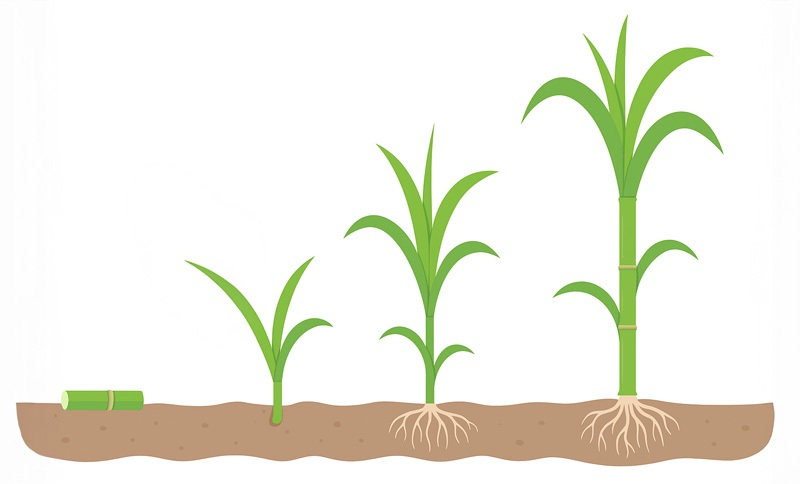
During India’s 2–3 month monsoon season, fields become inaccessible. Preparing silage in advance ensures uninterrupted digester operation. Ensiling removes excess air, preventing floating layers, and begins acidification and hydrolysis, improving methane yield by 5–10%. In decentralized CBG plants that rely on local feedstock like Napier grass, silage is essential to keep gas production steady – especially during monsoon season when fresh harvesting isn’t possible.

Napier Grass – A Nutrient-Rich Feedstock for High-Yield Biogas
Napier grass (Pennisetum purpureum) is widely recognized for it’s high biomass productivity and adaptability to semi-arid regions. Napier grass composition makes it well-suited for dry biogas technologies, particularly PLUG FLOW systems:
- 30.9% total carbohydrates
- 27% protein
- 14.8% lipid
- 18.2% total ash
- 9.1% fiber
Because of its balanced structure, Napier grass fits perfectly into dry digestion systems, allowing higher gas yields with less complexity and lower energy use.
Why Arciplug® is the Right Match for Napier Grass
Napier grass is a lignocellulosic energy crop – rich in cellulose and hemicellulose, which makes it harder to break down in traditional reactor types.
Arciplug®’s PLUG FLOW dry digestion technology is purpose-built to handle such substrates without added water, minimizing energy input and eliminating mixing challenges. While conventional systems often require more power for agitation, Arciplug® operates with lower energy demand and simplified process control.
The result: higher methane yield, lower OPEX, and maximum value from fibrous biomass. That’s why Napier grass and Arciplug® are the ideal pair for efficient, decentralized CBG production.

Benefits for Farmers and Sustainable Agriculture
For farmers, Napier grass-based biogas systems offer more than just renewable energy. The process produces:
- Biogas / CBG – for electricity, heating, or vehicle fuel
- Digestate – a carbon-rich organic fertilizer that enhances soil structure and fertility
Unlike synthetic fertilizers, digestate returns carbon to the soil, improving aeration, water retention and long-term productivity. Within 2–3 years, regular use leads to visibly better soil health and crop performance.
This combination of clean energy and regenerative agriculture strengthens farm economics and builds resilience to climate and market pressures.
Reduction in Greenhouse Gas Emissions
Using compressed biogas from Napier grass instead of fossil fuels drastically cuts CO₂ and methane emissions. CBG is a carbon-neutral fuel, since the CO₂ released during use equals what the plant absorbed during growth.
Additionally, converting Napier grass to biogas helps reduce open burning, which remains a major source of air pollution and greenhouse gases in agricultural areas.
Because Napier grass does not require high-quality farmland, it offers a renewable energy solution that complements food production rather than competing with it.
Local Energy Production and Energy Security
By enabling decentralized biogas production, Arciplug®’s PLUG FLOW technology strengthens rural energy security and reduces dependence on imported fossil fuels.
CBG from Napier grass supports clean cooking, industrial heat, and transportation, helping rural and urban communities alike transition toward sustainable, circular energy systems.
Discover more Arciplug® CBG projects showcasing PLUG FLOW technology in action.